Hai bisogno di ulteriori informazioni?
Mitsubishi TCS-1SW3W
Mitsubishi TH-N12CXKP-5A Solid State Overload Relay
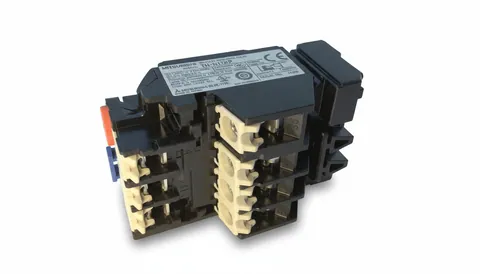
Descrizione del prodotto
The Mitsubishi TH-N12CXKP-5A Solid State Overload Relay is designed to provide robust and reliable protection for electrical circuits. This relay is capable of handling currents up to 5 AMP and voltages up to 660 V, making it suitable for a wide range of industrial applications. The solid state design ensures precise and consistent performance, minimizing the risk of overloads and enhancing the longevity of your equipment.
Key features of the TH-N12CXKP-5A include its compact size, which allows for easy integration into existing systems, and its lightweight construction, weighing only 0.18 kgs. This relay is part of Mitsubishi's renowned series of circuit protection devices, known for their durability and reliability.
Applications for the TH-N12CXKP-5A include motor protection, transformer protection, and general circuit protection in industrial environments. The relay complies with stringent industry standards, ensuring safe and efficient operation.
Hai bisogno di ulteriori informazioni?
- Ottenete termini di pagamento fino a 90 giorni da 500+ fornitori.
- Sconti sulla rivendita fino al 40%!
Specifiche tecniche
- Marchio
- Mitsubishi
- Rated Current
- 5 AMP
- Rated Voltage
- 660 V
Documenti
Scheda tecnica
Scheda tecnica per Mitsubishi Electric TCS-1SW3W, incluse specifiche e caratteristiche.

Modelli CAD
Modello CAD 3D e disegni tecnici, pronti per il tuo software di progettazione.

Analisi di mercato per TCS-1SW3W
Ottieni dati analitici e di mercato in tempo reale su TCS-1SW3W e altri prodotti della categoria Contattori e relè per ottimizzare le decisioni di acquisto.
- Dati sulla disponibilità di magazzino in tempo reale da oltre 700 distributori MRO in Europa e negli Stati Uniti.
- Analisi dei prezzi per condizione (nuovo, usato, ricondizionato) con prezzi mediani di mercato
- Monitoraggio della disponibilità dei componenti critici per prevenire i tempi di inattività della produzione