Potrzebujesz więcej informacji?
Schneider Electric B79.0
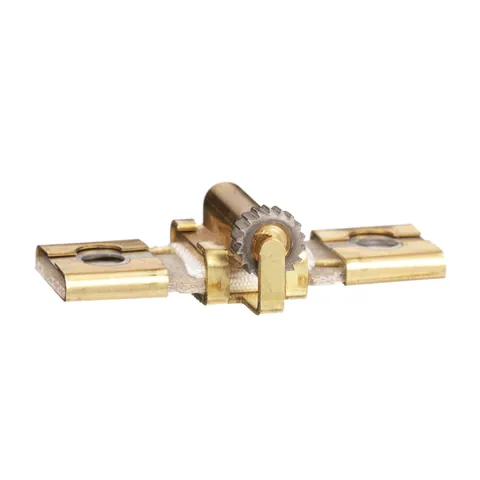
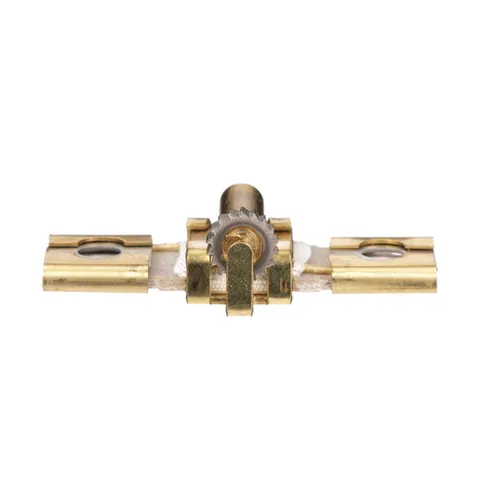
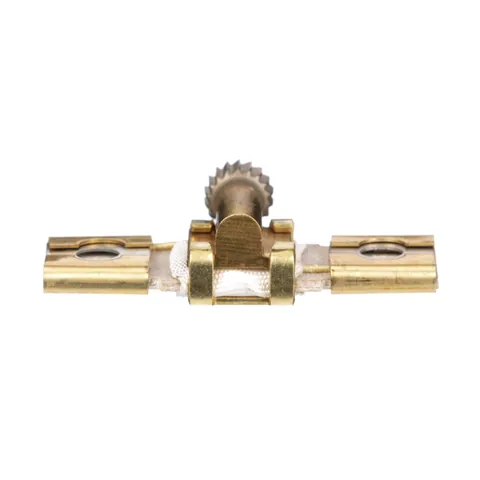
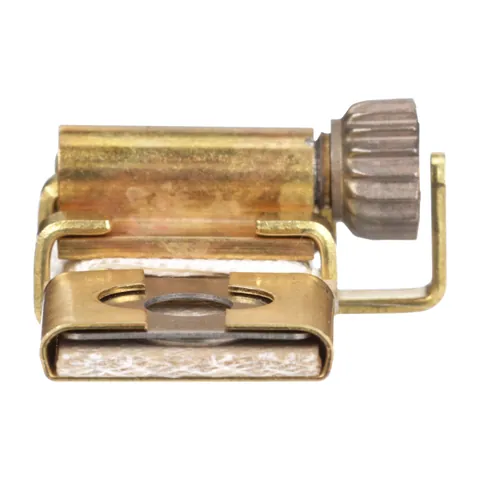
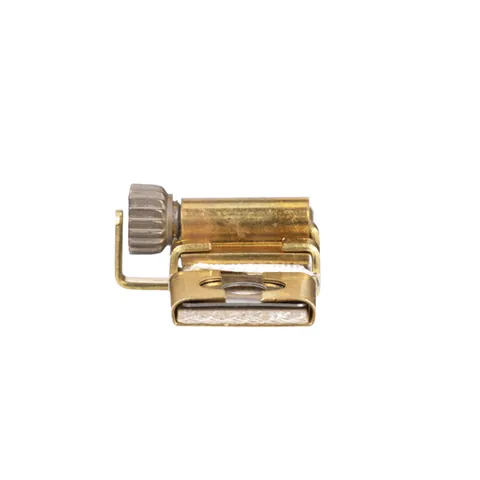
Thermal Unit, Type S, Type B, melting alloy, Class 20
Opis produktu
The Thermal Unit, Type S, Type B with a melting alloy composition is engineered for motor protection against excessive heating. Specifically categorized under Class 20, these units are capable of tripping within 20 seconds or less during overload conditions, ensuring timely response to potential hazards.
The operation is facilitated by a dedicated heater winding, through which the motor current flows. In the event of an overload, the generated heat melts a unique solder, allowing a ratchet wheel to disengage and subsequently open the control circuit contacts, cutting power to the motor.
This unit's design features a one-piece construction for enhanced reliability. It is essential to note that the thermal overload type utilizes a melting alloy, aligning with the specifications for product range B and tripping class 20, effectively responding to overload conditions and enhancing safety in motor applications.
Potrzebujesz więcej informacji?
- Termin płatności do 90 dni od 500+ dostawców.
- Rabaty na odsprzedaż do 40%!
Specyfikacje
- Marka
- Schneider Electric
- Thermal Overload Type
- melting alloy
- Range Of Product
- B
- Motor Tripping Class
- 20
- China Rohs Regulation
- Product out of China RoHS scope. Substance declaration for your information.
- Pvc Free
- Yes
- Eu Rohs Directive
- Not applicable, out of EU RoHS legal scope
Dokumenty
Karta katalogowa
Karta katalogowa dla Schneider Electric B79.0, w tym specyfikacje i funkcje.

Modele CAD
Model 3D CAD i rysunki techniczne, gotowe do Twojego oprogramowania projektowego.
Kompatybilne produkty

Wgląd w rynek: B79.0
Uzyskaj analizy w czasie rzeczywistym i dane rynkowe dotyczące B79.0 i innych produktów z kategorii Akcesoria ogólne, aby zoptymalizować decyzje zakupowe.
- Dane o dostępności zapasów w czasie rzeczywistym od 700 dystrybutorów MRO w Europie i USA
- Analiza cen według stanu (nowe, używane, odnowione) z medianą cen rynkowych
- Monitorowanie dostępności krytycznych komponentów w celu zapobiegania przestojom produkcji