¿Necesita más información?
NACHI OR-G01-P3-20
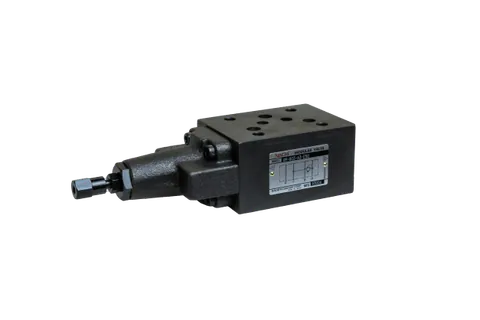
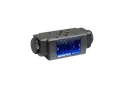
NACHI OR-G01-P3-20 Modular Relief Valve
Descripción del producto
The NACHI OR-G01-P3-20 Modular Relief Valve is designed to deliver optimal pressure control in hydraulic circuits. This versatile valve offers wide-ranging applicability, making it suitable for various industrial applications. It features a shockless unload mechanism and allows for two-pressure control, enhancing system efficiency and performance. Additional configurations can be achieved by switching the solenoid valve, providing flexibility to meet specific operational requirements.
Engineered for reliability, the valve ensures maximum operating pressure control, with a pressure adjustment range of 500 to 3600 psi. The gasket-type mounting ensures secure installation, while the P port control port facilitates easy integration into existing systems. The valve's robust construction and design number 20 make it a durable and dependable choice for hydraulic applications.
Handling and Application
When using a remote control valve in a vent circuit, it is recommended to use thick steel pipe with an inside diameter of 0.15 inches and a length not exceeding three meters to prevent vibration. Note that vent piping cannot be used with the 01 size. For applications requiring a vent port in the 03 size, the auxiliary code 'V' should be added. For safety valve applications, ensure the pressure override is higher than the required circuit pressure.
For optimal performance, ensure the tank port back pressure does not exceed 29 psi. A small control flow rate may cause pressure instability;...
- Consigue plazos de pago de hasta 90 días de 500+ proveedores.
- Descuentos de reventa de hasta el 40%!
Especificaciones
- Marca
- NACHI
- Model
- OR-G01-P3-20
- Mounting Method
- Gasket type
- Control Port
- P port
- Pressure Adjustment Range
- 500 to 3600 psi
- Maximum Operating Pressure
- 3600 to 5000 psi
- Minimum Control Flow Rate (01 size)
- 1.3 gpm
Acceda a nuestra plataforma para encontrar más ofertas
Regístrese ahora para explorar 36 millones de ofertas de proveedores verificados de todo el mundo.
- Comparar ofertas globalmente
- Contacto directo con el proveedor
- Peticiones de oferta, presupuestos y pedidos
- Búsqueda de listas de materiales
Documentos
Hoja de datos
Hoja de datos para NACHI OR-G01-P3-20, incluyendo especificaciones y características.
 TraceParts
Modelos CAD
Modelo CAD 3D y planos técnicos, listos para tu software de diseño.
Productos relacionados

Perspectivas del mercado

Obtenga análisis en tiempo real y datos de mercado para optimizar sus decisiones de compra de este componente y productos similares.
- Datos de disponibilidad de existencias en tiempo real de más de 700 distribuidores MRO de Europa y EE.UU.
- Análisis de precios por estado (nuevos, usados, reacondicionados) con precios medios de mercado
- Supervisión de la disponibilidad de componentes críticos para evitar paradas de producción
- Perspectivas de optimización del inventario basadas en las tendencias de abastecimiento del mercado