Schneider Electric
- Dostępność:
- 1 szt.Na zamówienieZaktualizowano: 22-08-2026
- Oferta od:
 Zaufany dostawca — Rumunia, członek od 2023, 1–4 pracowników
Spotkaj globalnych liderów automatyki przemysłowej na ANEXPO 2027| Dowiedz się więcej
Potrzebujesz więcej informacji?
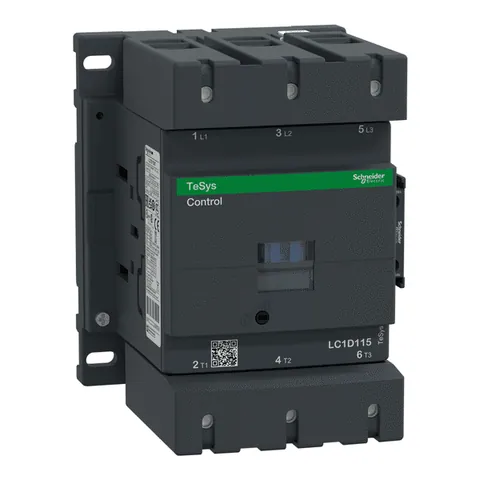
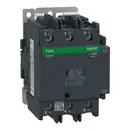
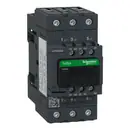
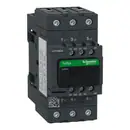
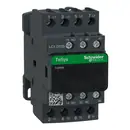
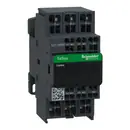
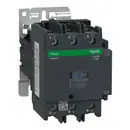
The TeSys D contactor series is engineered to provide optimal performance in control systems. These contactors can be used as motor starters across a wide range of applications.
TeSys D contactors are available in 13 different ratings, catering to inductive motor applications up to 150 full-load amps and resistive loads up to 200 amps. This particular 115A inductive 3 pole IEC contactor can be installed on DIN rail or directly onto a panel.
The contactor offers both Horsepower and Kw motor ratings for international acceptance. It is rated for 30HP at 200 to 208VAC, 40HP at 240VAC, 75HP at 480VAC, and 100HP at 600VAC three-phase.
When paired with a 480VAC up to 250A circuit breaker, the contactor can handle SCCR up to 100kA. When used with a 600VAC up to 250A circuit breaker, it can handle SCCR up to 50kA. When used with 600VAC Class J or CC fuses up to 250A, the contactor can handle SCCR up to 100kA.
The contactor comes with a 415 VAC 50/60 Hz coil. It has one normally open and one normally closed auxiliary contact built-in as standard. The NC contact is mirror certified. Screw clamp terminals are used for load and auxiliary connections.
The contactor measures 6.22 inches in height, 4.72 inches in width, and 5.35 inches in depth. It weighs 5.51 lbs. The contactor is certified to UL, CSA, IEC, CCC, EAC, and Marine standards. It also meets the requirements of RoHS/REACh, making it a Green Premium product.
 Zaufany dostawca — Wielka Brytania, członek od 2023
Schneider Electric
Zaufany dostawca — Rumunia, członek od 2023, 1–4 pracownikówSchneider Electric
 Zaufany dostawca — Niemcy, członek od 2024
Zarejestruj się teraz, aby poznać 36 milionów ofert od zweryfikowanych dostawców z całego świata.
Karta katalogowa dla Schneider Electric LC1D115N7, w tym specyfikacje i funkcje.
 TraceParts
Model 3D CAD i rysunki techniczne, gotowe do Twojego oprogramowania projektowego.
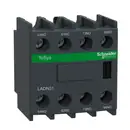

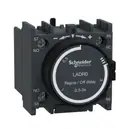
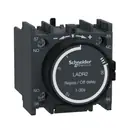
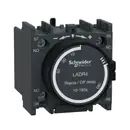





Uzyskaj analizy w czasie rzeczywistym i dane rynkowe, aby zoptymalizować decyzje zakupowe dotyczące tego komponentu i podobnych produktów.