Need more information?
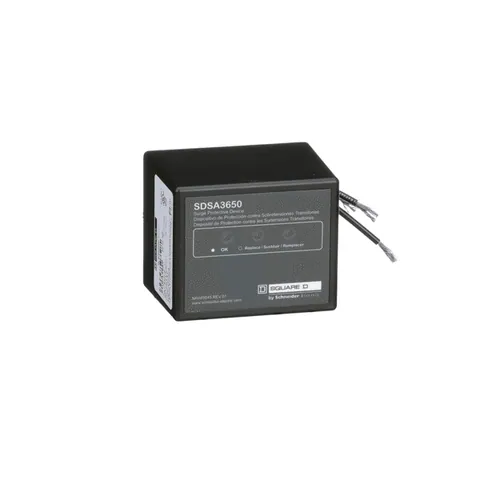
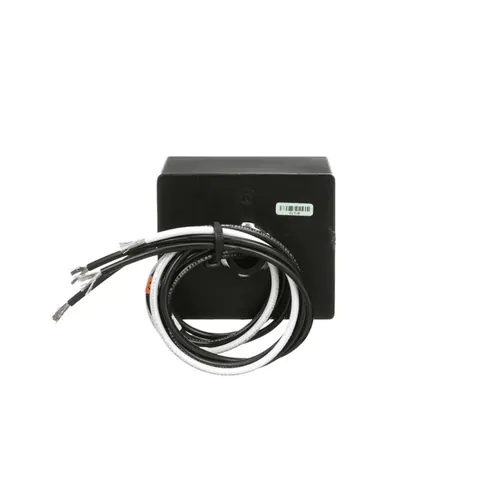
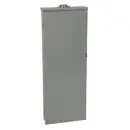
Schneider Electric SDSA3650
Surge protection device, Surgelogic, 40kA, 600Y/347VAC, 3 phase, 4 wire, NEMA 4X
Product Description
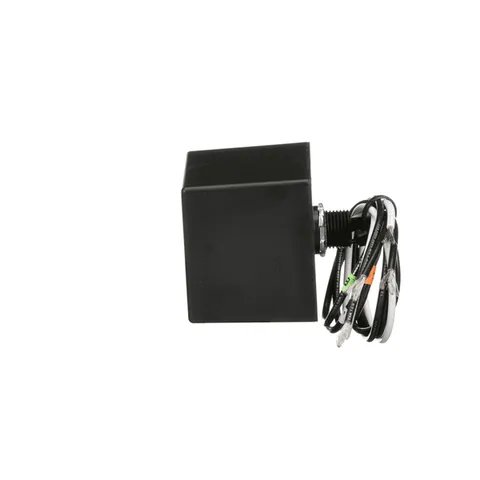
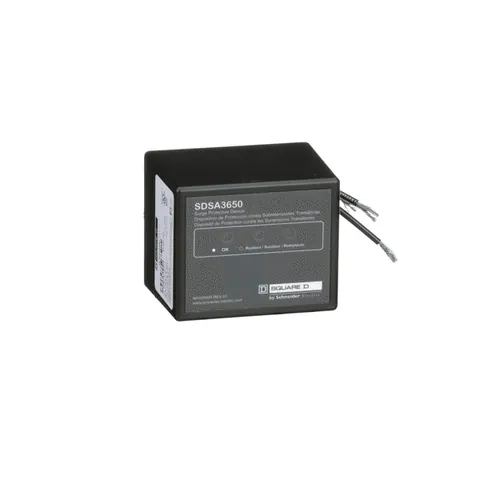
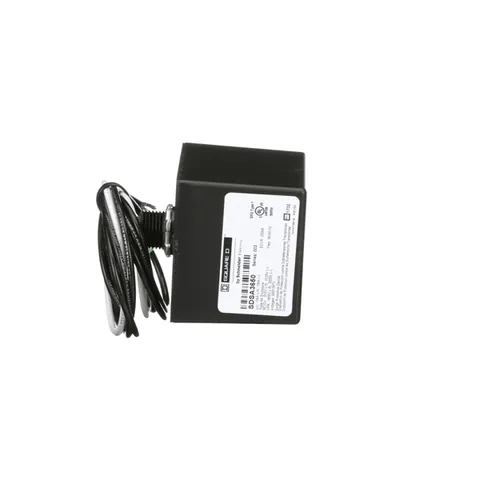
The Schneider Electric Surgelogic Surge Protection Device (SDSA3650) is a reliable solution for managing initial surges in low voltage systems. This device is equipped with an LED status signal light for easy monitoring and can be integrated into cascaded SPD systems for additional value. It is suitable for applications in building and industrial automation, critical power, cooling, and racks.
The SDSA3650 is a 40kA surge protection device with a 600Y/347VAC rating and is designed to handle 3-phase, 4 wire systems. It is rated for NEMA 4X applications, making it suitable for use in harsh environments.
Offer details
- Best offer from:
 Trusted supplier — Romania, member since 2023, 1–4 employees
- Availability:
- 1 pc.On RequestUpdated at: 22-08-2026
- Condition:
- New Surplus
Specifications
- Brand
- Schneider Electric
- Ambient Air Temperature For Operation
- 65-65 °C
- Standards
- UL 1449:ed. 4: type I || NEC 285: type I || CSA C22.2 No 8
- Nema Degree Of Protection
- NEMA 4X
- Enclosure Material
- Black Plastic
- Warranty
- 18 months
- Rohs Exemption Information
- Yes
Access our platform to find more offers
Register now to explore 36 mln offers from verified suppliers worldwide.
- Compare offers globally
- Direct supplier contact
- RFQs, Quotes, and Orders
- BOM Search
Documents
Data Sheet
Datasheet for Schneider Electric SDSA3650, including specifications and features.
 TraceParts
CAD Models
3D CAD model and technical drawings, ready for your design software.
Compatible Products
Market insights

Get real-time analytics and market data to optimize your purchasing decisions for this component and similar products
- Real-time stock availability data from 700 MRO distributors in Europe and USA
- Price analysis by condition (new, used, refurbished) with market median prices
- Critical component availability monitoring to prevent production downtime
- Inventory optimization insights based on market supply trends